
Winter tree trimming is the practice of pruning trees while they are dormant between late fall and early spring. Trimming trees in the winter minimizes stress on the tree, lowers the risk of spreading disease, improves structural visibility without foliage, and prevents heavy snow from snapping weak branches.
According to research published by the USDA Forest Service, trees with unpruned or heavy canopies accumulate high loads of ice and wet snow, which can increase the total weight carried by a branch by up to 30 times its normal weight. This massive weight gain, combined with frozen, brittle wood fibers, is the primary physical cause of major branch snaps and tree failure onto residential structures during winter storms. – USDA Forest Service Urban Forestry Manual
The Importance of Tree Trimming Before Winter in Denver
Understanding the importance of tree trimming before winter helps homeowners protect both their landscape and property value. Many assume landscape maintenance pauses when temperatures drop, but winter offers distinct biological and structural advantages for branch care.
During the dormant season, trees suspend active growth, conserving energy inside their trunk and root systems. Choosing a trusted Colorado tree service who knows the local flora, especially during this window, ensures your property is prepared for unpredictable Front Range winter weather.
Following official International Society of Arboriculture pruning standards guarantees that trimming removes weak limbs without damaging the tree’s natural defense systems.
4 Major Benefits of Trimming Trees in the Winter
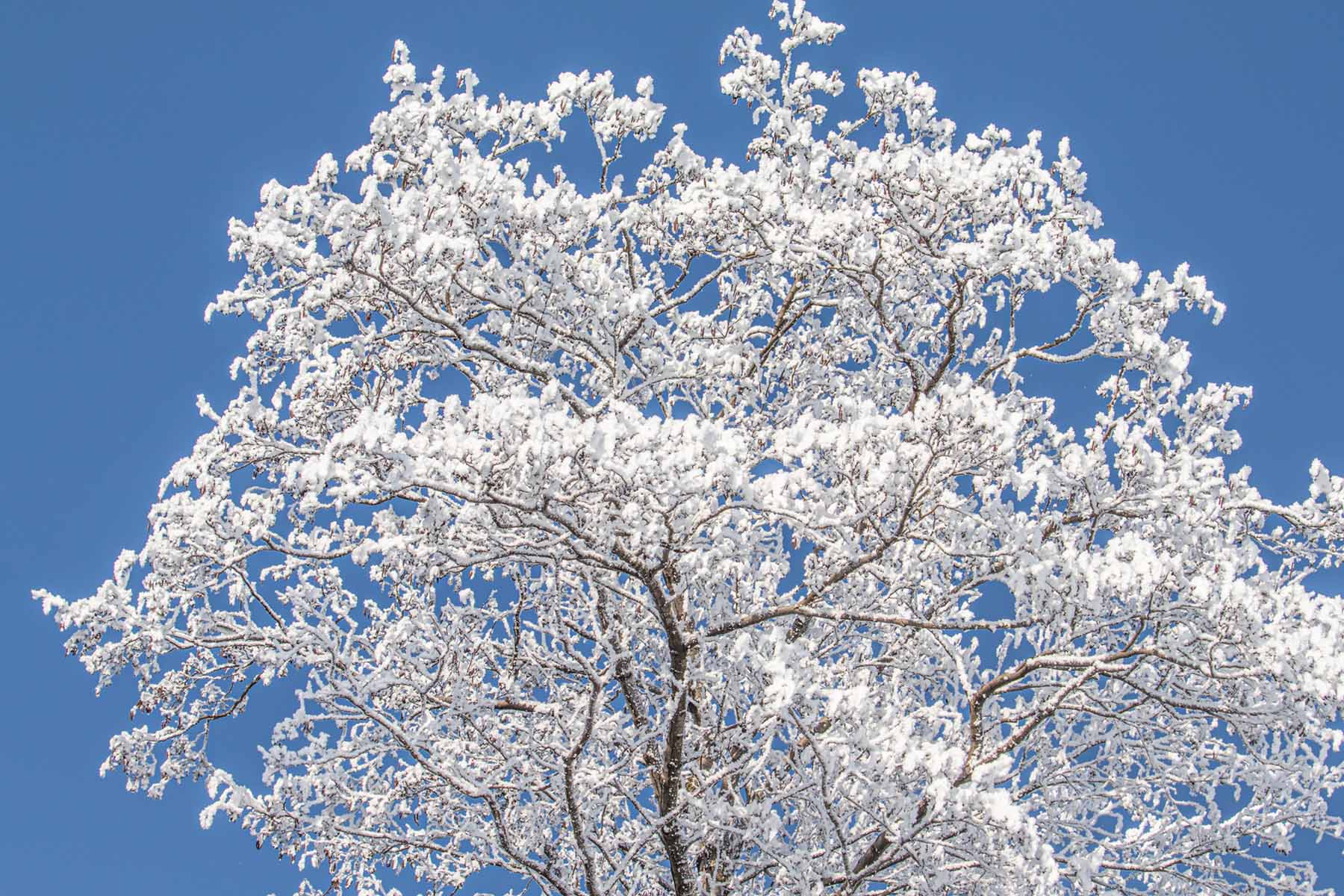
Trimming trees in the winter provides several advantages over spring or summer pruning, ranging from better canopy visibility to reduced pest threats.
1. Superior Structural Visibility
Without foliage obscuring the canopy, arborists can easily evaluate the entire architecture of the tree. This makes it far simpler to identify crossing branches, weak crotches, internal decay, and hidden structural flaws before heavy snow causes a break.
2. Reduced Disease and Pest Transmission
Insects and fungal pathogens that spread tree diseases are dormant during cold winter weather. Making pruning cuts in winter drastically reduces the chance that fresh sap will attract wood-boring beetles or fungal spores.
3. Protection Against Heavy Snow Accumulation
Dense, unpruned canopies act like sails during high winter winds and hold heavy, wet snow. Trimming trees in the winter reduces canopy density, allowing snow and ice to fall through safely rather than snapping major limbs onto your roof or driveway.
4. Minimal Turf and Landscape Impact
Frozen winter ground protects surrounding lawns and garden beds from heavy foot traffic or equipment weight during service. Both residential properties and commercial facilities benefit from scheduled dormant care.
“They did a great job. They removed a large tree at my house without causing any damage. Very professional service”
— Abner A.
How to Prepare Your Yard for Winter Branch Maintenance
Taking a few simple steps before your arborist arrives ensures a safe and efficient service visit for your home or business.
- Clear Access Paths: Keep driveways and entry gates free of deep snow or ice so crews and equipment can reach trees easily.
- Identify High-Risk Hazards: Note any branches hanging over structures, driveways, or power lines to review during your inspection.
- Inspect Surrounding Trees for Severe Decay: Check nearby trees for signs of internal rot. For instance, knowing when to evaluate a dead cottonwood tree can help determine if completely removing a tree or corrective pruning is necessary.
- Schedule Professional Care for Heavy Jobs: Avoid dangerous high-altitude work or power line clearance yourself. Complex jobs requiring heavy machinery or tight-quarter rigging should be handled by a specialized crane tree removal service.
- Reviewing regional CSU Extension winter tree care advice provides additional localized guidance on keeping young trees protected against cold stress.
Protect Your Property with TreeCuts
Proper seasonal tree care preserves property value and protects your home against unpredictable winter storms. Whether your home needs specialized tree services for homeowners or your business requires a reliable partner for seasonal maintenance, working with experienced professionals ensures your trees thrive year-round.
Contact our team today or call our service tree contact number to schedule your pre-winter evaluation.