
Key signs that a tree requires immediate pruning before winter include dead or brittle branches, crossing limbs that rub together, an overly dense canopy, cracked or decaying branch unions, and branches growing within 10 feet of power lines or roofs. Identifying these structural issues early prevents heavy winter snow loads from causing dangerous branch failure and property damage.
“Hired TreeCuts to remove 2 trees and grind the stumps. They were friendly, fast and affordable. Took them about 6 hours to get it all done… I definitely recommend them to anyone who needs tree services done.”
— Eliza
What Exactly is Tree Pruning?
Tree pruning is the selective removal of specific branches to improve tree health, enhance structural integrity, and protect nearby property. While light cosmetic tree trimming shapes the outer foliage, structural pruning removes dead, diseased, or hazardous limbs.
Why Recognizing the Signs Your Tree Needs Pruning Before Winter Is So Important
The Denver metropolitan area experiences unique weather patterns that put immense physical stress on residential trees. Late autumn and early winter often bring sudden, heavy, wet snowstorms before trees have fully dropped their leaves, or while wood is dormant and brittle.
Unpruned trees with structural weaknesses face several winter risks:
- Snow and Ice Accumulation: Heavy snow builds up on dense canopies, creating massive weight loads that snap weak branches.
- Wind Sail Effects: Strong winter winds catch overcrowded canopies, tearing limbs from the main trunk.
- Pest and Disease Exposure: Bark wounds caused by rubbing branches create entry points for wood-boring insects and decay fungi come spring.
Heavy snow loads on unpruned branches are a primary cause of non-storm-related property damage during Front Range winter months, making early winter tree trimming an essential maintenance step according to the Colorado State University Extension – Tree Care Guidelines.
5 Signs Your Tree Needs Pruning
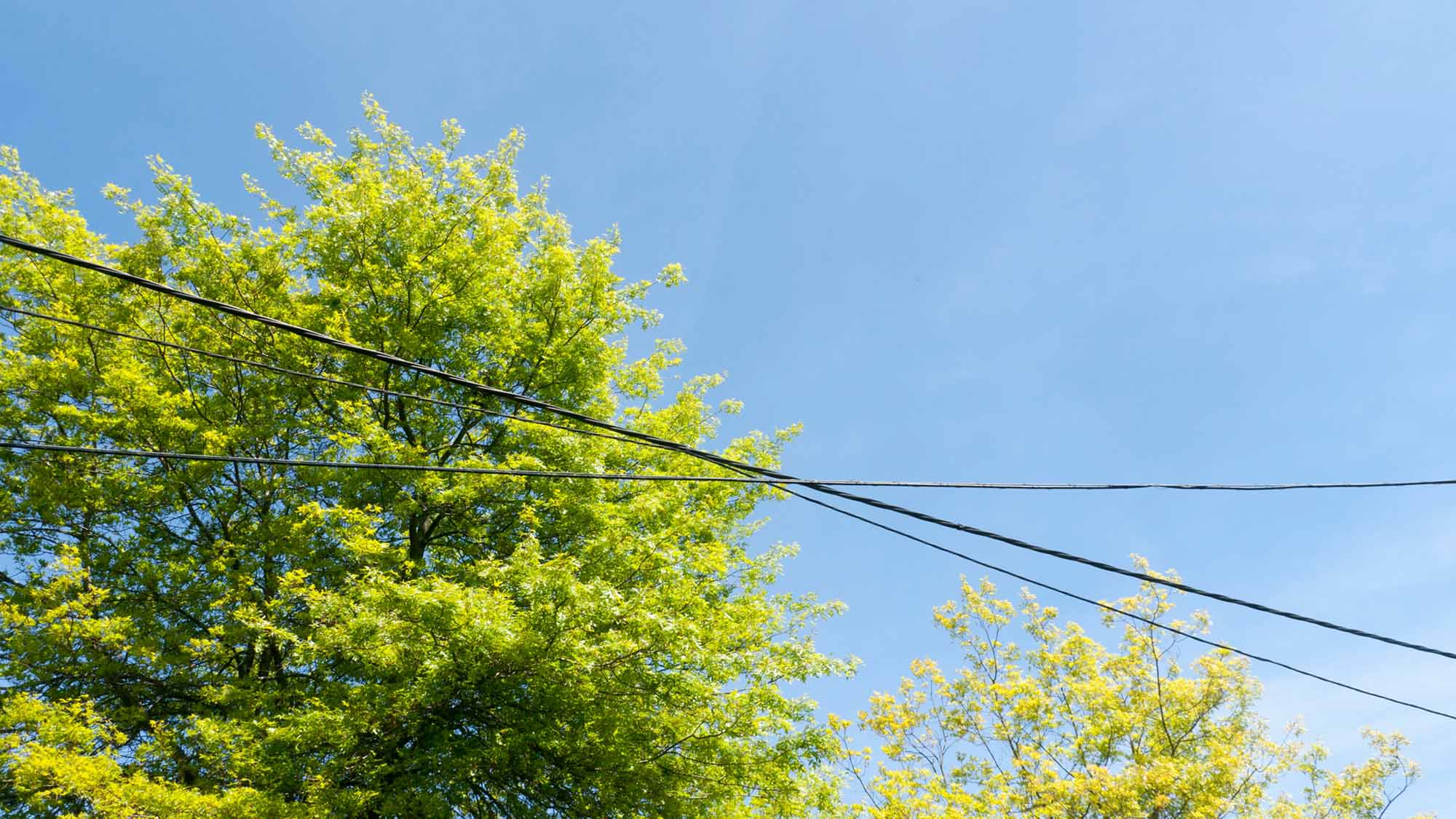
Spotting structural weaknesses early allows you to schedule preventative winter tree trimming before severe Front Range weather hits. Keep an eye out for these five key indicators during your pre-winter yard inspection:
1. Dead, Dying, or Brittle Branches
Deadwood is the most urgent indicator that a tree requires attention. Look for branches missing bark, limbs that lack seasonal foliage, or twigs that snap easily. During heavy snowfall, dead limbs lack the flexibility to bend under the weight and often break without warning.
2. Crossing or Rubbing Branches
Branches that grow inward or cross over one another constantly rub together during windstorms. This friction strips away the protective outer bark, exposing internal tissue to decay. Pruning one of the competing branches restores proper air circulation and allows the tree to heal safely.
3. Excessively Dense Canopies
A canopy that is too thick prevents sunlight and air from reaching the inner foliage. Dense canopies also act like sails in high winds and trap heavy snow. Selective thinning reduces wind resistance and allows snow to fall through safely without snapping major limbs.
4. Cracks, Fissures, or Fungal Growth Near Branch Unions
Inspect the areas where major limbs join the main trunk. Deep cracks, peeling bark, or fungal growth like mushrooms signal internal decay or weak V-shaped crotches. When structural weakness is present, professional care is needed to prevent large limbs from splitting away. Some types of older trees, especially trees like the Cottonwood, which grow fast and very tall but unfortunately, they also die fast. So, recognizing a compromised or dead cottonwood tree is vital to determining whether the structure needs corrective pruning or complete removal.
5. Encroachment on Rooflines, Power Lines, or Walkways
Branches growing close to structures pose an immediate hazard during winter storms. Limbs hanging over rooflines can scrape shingles, damage gutters, or drop snow piles onto your home. Any branches growing near utility lines must be handled immediately by professionals.
How to Safely Inspect Your Trees Before Winter
Homeowners can easily conduct a pre-winter tree inspection from the ground without specialized equipment:
- Perform a Visual Walkaround: Walk around the entire tree from a safe distance, looking at the canopy from multiple angles.
- Check the Ground and Trunk: Look for root damage, soft soil, or fungal growth near the base.
- Inspect the Major Unions: Look up into the canopy to identify hanging limbs, deadwood, or crisscrossing branches.
- Know Your Limits: Never attempt to climb a tree or use power tools near power lines. If a job involves significant height, heavy hazards, or tight spaces, utilizing a specialized crane tree removal service or climbing team is the safest route for your home and yourself.
Protect Your Property with Professional Tree Trimming Services
Addressing structural tree issues before the first major freeze protects your family, property, and landscape investment. Whether your home requires residential branch maintenance or your local business needs commercial tree pruning services, working with an experienced team ensures cuts are made correctly without damaging overall tree health.
Contact TreeCuts today to schedule a pre-winter consultation and keep your property safe and clear all winter long.